
How properly selected and operated control valves help engineers regulate pressure, manage flow, prevent pipeline damage, and improve the reliability of modern water supply networks.
Control valves are critical components in modern water supply systems. From treatment plants and pumping stations to reservoirs and distribution networks, they help regulate flow, control pressure, maintain water levels, and protect pipelines and associated equipment.
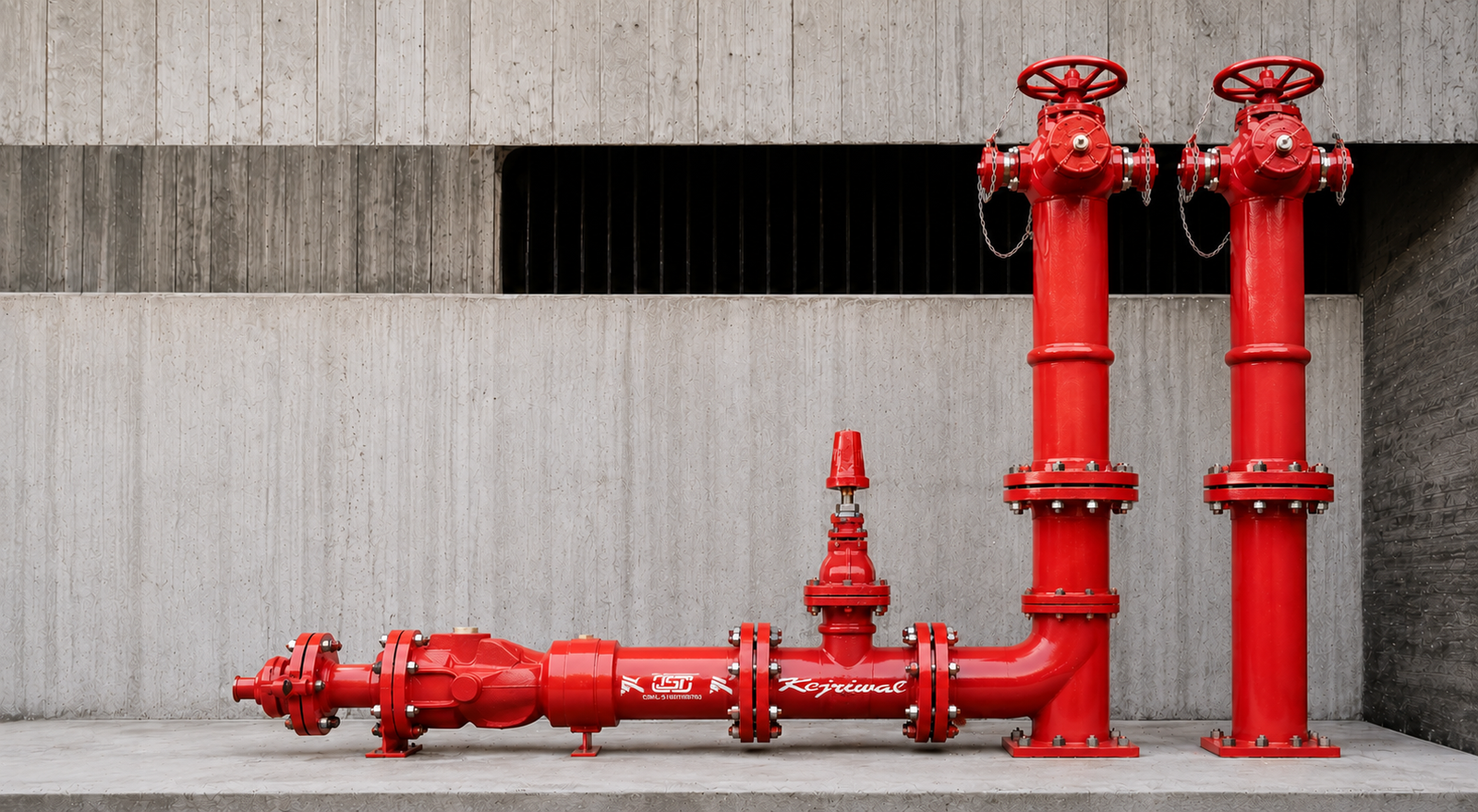
For engineers, selecting the right control valve involves more than simply matching the valve to the pipeline diameter. Valve type, sizing, operating conditions, pressure variation, water quality, maintenance requirements, and future system demand all need to be considered to ensure reliable long-term performance.
Pressure Control Is at the Heart of Water Distribution
Pressure management is one of the primary functions of control valves in a water supply network.
Excessive pressure can increase leakage, accelerate pipe deterioration, damage fittings, and contribute to pipeline bursts. On the other hand, insufficient pressure can affect service levels and prevent water from reaching consumers reliably.
Pressure reducing valves, pressure sustaining valves, and flow control valves can be used at different points in a network to maintain stable operating conditions.
Effective pressure management also plays an important role in reducing non-revenue water and protecting infrastructure from unnecessary stress.
Water Supply Engineering Team
Technical Engineering Team
Correct Valve Sizing Matters
Valve sizing has a direct impact on how effectively a control valve performs.
An oversized valve can struggle to operate accurately at low flow rates. This can result in unstable control, vibration, noise, and poor regulation. An undersized valve, meanwhile, can restrict the required flow and create excessive pressure loss across the system.
Valve selection and sizing should therefore consider peak demand, minimum night flow, pipeline diameter, upstream and downstream pressure, flow variation, and potential future expansion.
A correctly sized valve should be capable of handling the expected operating range while maintaining stable and predictable control.
Managing Water Hammer and Pressure Surges
Water hammer is a common concern in water supply networks and can occur when there is a sudden change in water velocity.
Rapid valve opening or closing can create pressure surges that place significant stress on pipelines, pumps, fittings, and other system components. In large or high-pressure systems, these surges can result in costly infrastructure damage.
Engineers can reduce water hammer risks through appropriate valve selection, controlled opening and closing speeds, suitable actuators, and hydraulic surge analysis.
Slow-closing valves and properly designed control strategies can help limit sudden changes in flow and protect the wider network.
“Water hammer can turn a small change in valve operation into a significant pressure event. Proper valve control and surge management are therefore essential for protecting pipelines and maintaining system reliability.”
Hydraulic Engineering Team
Water Infrastructure Specialists
Selecting Materials for Water Supply Applications
The operating environment and water quality must also be considered when selecting valve materials.
For potable water applications, valves should use corrosion-resistant materials and be suitable for drinking water service. Material compatibility can influence service life, maintenance requirements, and overall system reliability.
Engineers should also evaluate leakage performance, cavitation risk, operating pressure, accessibility for maintenance, and the conditions in which the valve will be installed.
Selecting appropriate materials at the design stage can help reduce premature wear and minimize maintenance requirements throughout the valve's service life.
Beyond the Valve: Designing for Long-Term Performance
A control valve does not operate in isolation. Its performance depends on the wider hydraulic system, including pipelines, pumps, fittings, instrumentation, and control systems.
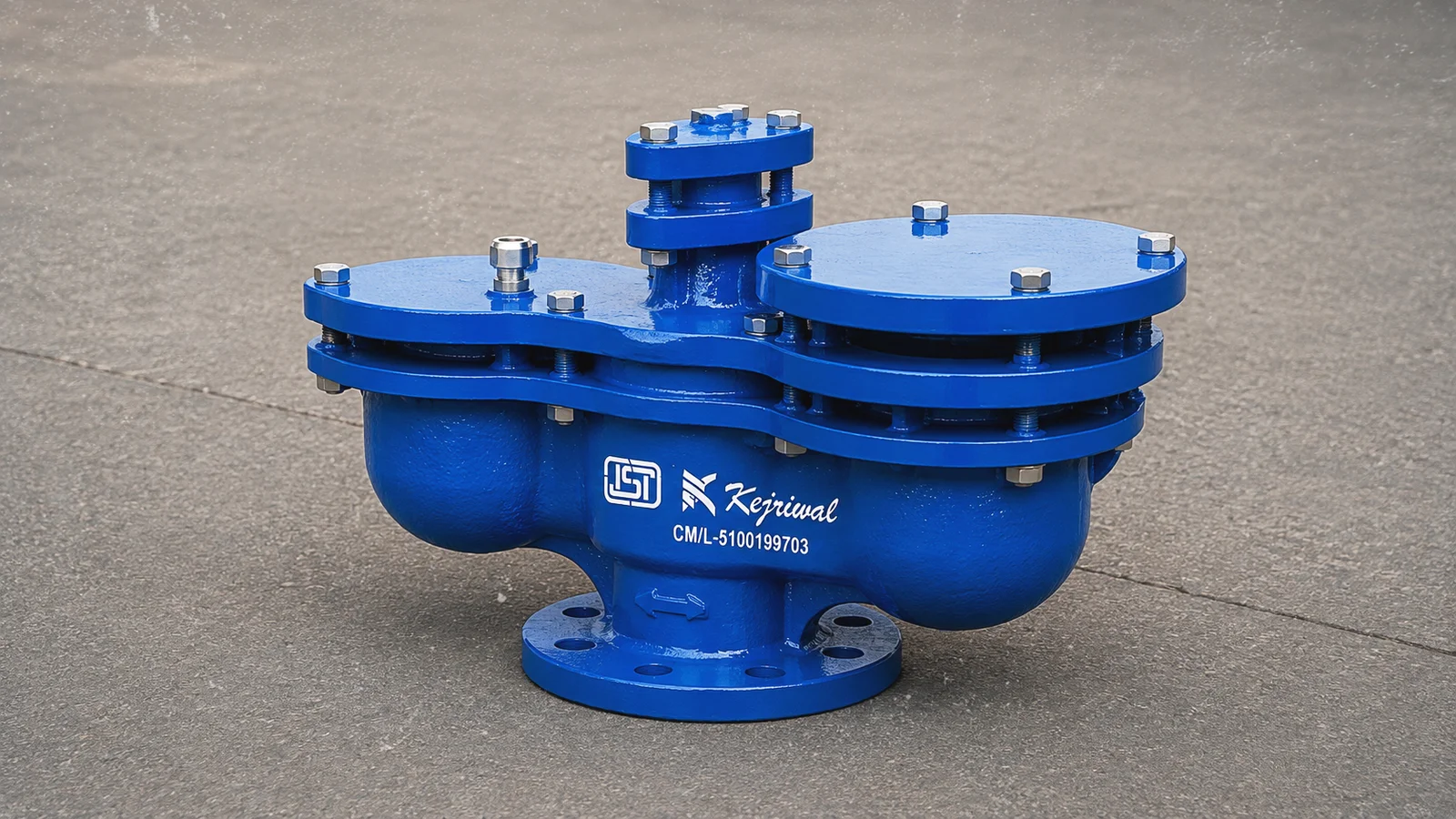
Proper commissioning and regular maintenance are therefore important to ensure that valves continue to operate within their intended parameters.
Monitoring pressure and flow conditions can also help identify abnormal operation before it develops into a larger infrastructure problem.
“Control valve performance depends on the complete hydraulic system. When valve selection, commissioning, monitoring, and maintenance are considered together, engineers can achieve greater reliability and longer equipment life.”
Engineering & Service Team
Water Supply & Process Engineering Specialists
Supporting Safer and More Efficient Water Networks
As water supply networks become more complex, reliable flow and pressure management are increasingly important.
Control valves provide engineers with the ability to respond to changing demand, maintain stable pressures, protect pipelines, and improve the overall efficiency of water distribution.
The right combination of valve type, sizing, material, actuation, and control strategy can make a significant difference to system performance.
Control valves are therefore more than pipeline fittings. They are essential components in building safe, efficient, and sustainable water supply infrastructure.
Get in Touch
If you are planning a water supply, water treatment, pumping, or distribution project and need support with control valve selection and system requirements, speak with our technical team.
Contact us to discuss your application, operating conditions, and valve requirements, and find the right solution for your water supply system.