
Non-Revenue Water (NRW) is one of the major challenges faced by water utilities worldwide. Water that is produced and treated but never reaches the billing system because of leaks, pipeline bursts, unauthorized connections, and metering inaccuracies can have a direct impact on utility revenue and service reliability. Using Ductile Iron (DI) pipelines for distribution networks can be an effective long-term approach to reducing physical water losses and improving overall network performance.
Building a Stronger Distribution Network
DI pipelines are designed to withstand demanding operating conditions, including internal pressure fluctuations, external traffic loads, and ground movement. These characteristics make them particularly suitable for water distribution networks where pipeline failure can result in significant water loss.
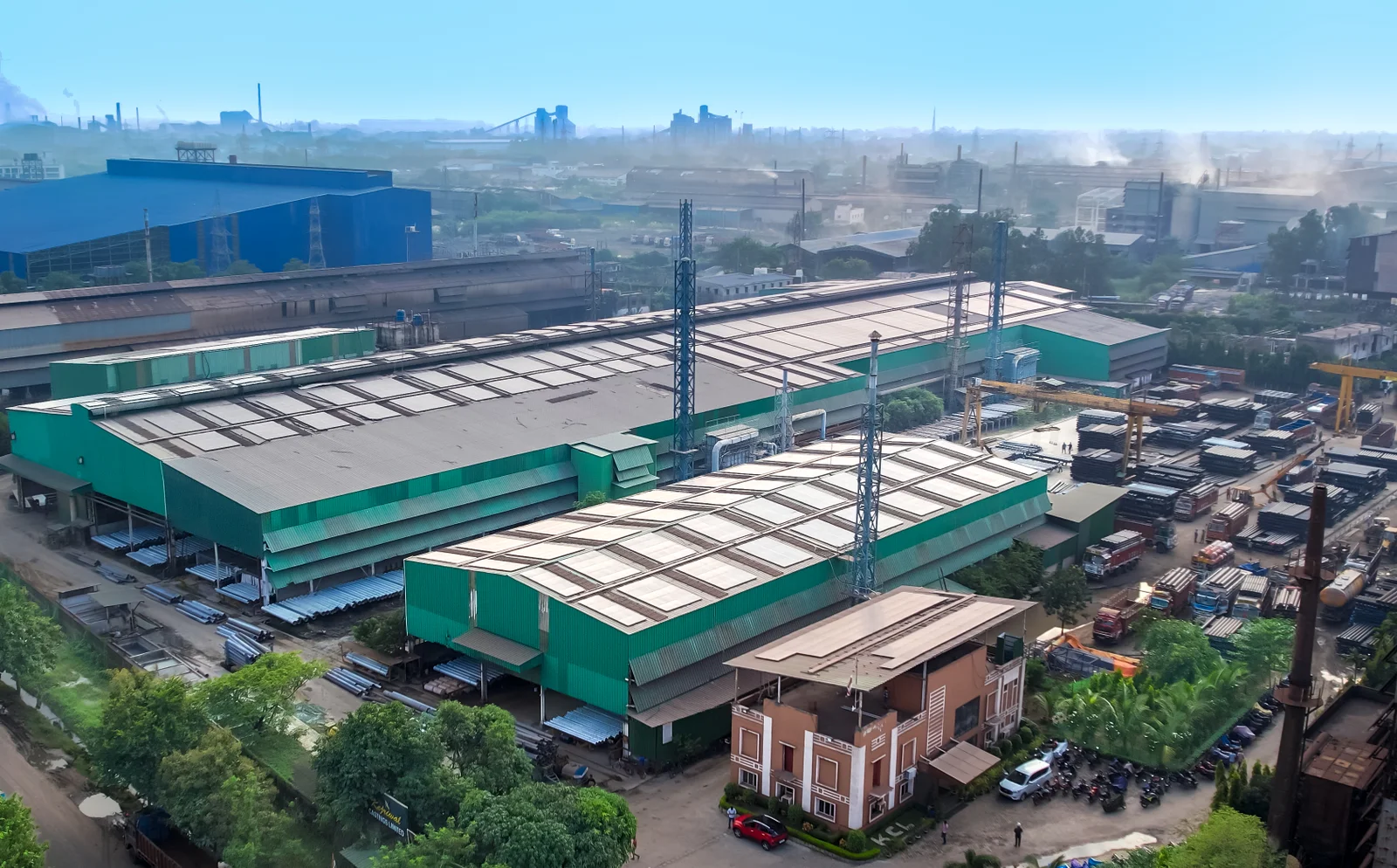
Compared with weaker or ageing pipeline materials, properly designed DI systems provide excellent mechanical strength and resistance to external stresses. This can help reduce cracks, pipe failures, and other conditions that contribute to water loss.
Water Infrastructure Engineering Team
Pipeline & Water Network Specialists
Reliable Joints Help Prevent Leakage
Pipeline joints are critical points in any water distribution network. Poorly performing joints can allow continuous seepage that may remain undetected for long periods.
Modern DI pipelines use gasketed and restrained jointing systems designed to provide reliable sealing performance. Properly installed joints can reduce leakage at connections while also allowing the pipeline to accommodate certain levels of movement and operating stress.
Good joint design, correct installation, and regular inspection can therefore play an important role in reducing both visible and hidden water losses.
Corrosion Protection for Long-Term Performance
Protecting DI pipelines from corrosion is another important factor in controlling long-term failure rates.
Depending on soil conditions and water quality, protection systems may include zinc coatings, polyethylene sleeving, bituminous coatings, and internal cement mortar linings. These systems help protect the pipe from aggressive environmental conditions and maintain its structural and hydraulic performance over time.
By extending pipeline service life and reducing premature failures, effective corrosion protection can also reduce maintenance requirements and unplanned water losses.
Materials & Corrosion Protection Team
Technical Pipeline Specialists
Supporting Smart NRW Management
DI pipelines can also work effectively alongside modern water loss management strategies.
Utilities can combine reliable DI distribution networks with District Metered Areas (DMAs), pressure management systems, flow monitoring, and acoustic leak detection technologies. These approaches allow utilities to identify unusual flow patterns, locate potential leaks, and respond to losses more quickly.
Pressure management is particularly important because excessive pressure can increase leakage rates and place additional stress on pipelines and joints. Maintaining controlled pressure across the network can therefore complement the strength and reliability of DI pipelines.
Reducing Losses and Operating Costs
Reducing NRW is not only about saving water. It can also help utilities improve their financial and operational performance.
By reducing pipeline bursts, chronic leakage, and unplanned repairs, a reliable DI pipeline network can help utilities retain more of the treated water they produce. Lower physical losses can also reduce the energy and treatment resources required to compensate for wasted water.
Improved network stability can contribute to better continuity of supply, reduced maintenance requirements, and more efficient use of existing water resources.
Water Network Management Team
NRW & Distribution System Specialists
Building a More Resilient Water Supply Network
DI pipelines offer a practical and durable solution for utilities looking to address physical water losses within ageing or vulnerable distribution networks.
Their mechanical strength, reliable jointing systems, corrosion protection options, and compatibility with modern pressure and leak management strategies make them well suited to long-term water infrastructure projects.
When combined with effective network monitoring, pressure management, leak detection, and proper maintenance, DI pipelines can help utilities reduce Non-Revenue Water, improve service reliability, and build stronger and more resilient water supply networks.
Get in Touch
Planning a water distribution or NRW reduction project? Speak with our technical team about DI pipeline selection, jointing systems, corrosion protection, pressure management, and network requirements.
Contact us today to discuss your project and explore a reliable DI pipeline solution for reducing water losses.