
Ductile Iron (DI) pipe is a widely used piping solution for water supply, wastewater, irrigation, and industrial applications. Its combination of strength, durability, and resistance to external loads makes it suitable for a wide range of pipeline projects. For engineers, understanding DI pipe specifications, installation requirements, hydraulic performance, and corrosion protection is essential for designing reliable and long-lasting pipeline networks.
Built for Strength and Durability
DI pipe is manufactured from ductile cast iron, where the graphite is present in a spheroidal form. This structure gives the material greater strength, toughness, and impact resistance compared with conventional cast iron.
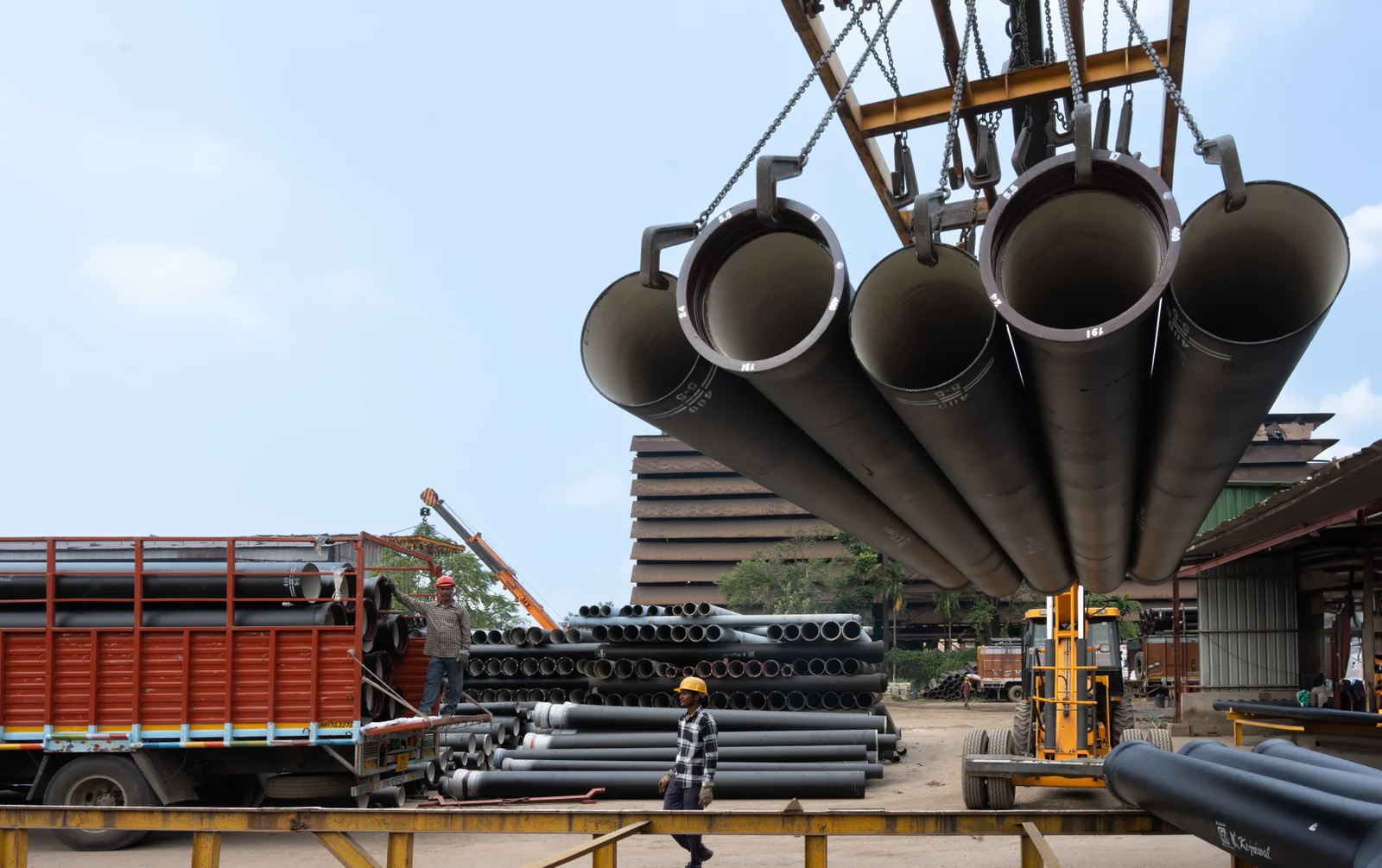
One of the major advantages of DI pipe is its ability to withstand high internal pressure and external loading. It can also accommodate certain levels of ground movement, making it suitable for buried pipelines and projects where site conditions may be challenging.
Engineering & Technical Team
Pipeline Engineering Specialists
Selecting the Right DI Pipe
DI pipe selection should be based on the specific requirements of the project rather than diameter alone.
Engineers need to consider pressure class, nominal diameter, joint type, installation conditions, operating pressure, external loading, and expected service life. The appropriate lining and external protection system should also be selected according to water quality and surrounding soil conditions.
For water supply applications, cement mortar lining is commonly used to improve hydraulic performance and provide internal protection. Depending on soil corrosivity and environmental conditions, external protection may include zinc coating, bituminous coating, polyethylene sleeving, or other approved protective systems.
Installation Matters
Even a high-quality DI pipe system can experience premature problems if installation practices are not properly controlled.
Trench preparation, bedding, pipe alignment, jointing, thrust restraint, and backfilling are all important stages of installation. Each should be carried out according to applicable standards, project specifications, and manufacturer recommendations.
Proper joint installation is particularly important for maintaining pipeline integrity and preventing leakage. Adequate thrust restraint should also be provided wherever changes in direction, diameter, or operating conditions can generate significant forces.
Project & Installation Team
Pipeline Installation Specialists
Hydraulic Design and Surge Protection
Hydraulic design is another important consideration when developing a DI pipe network.
Engineers should evaluate flow velocity, head loss, operating pressure, peak demand, and future capacity requirements while determining the appropriate pipeline size. The system should also be assessed for transient conditions that may occur during pump starts and stops or sudden changes in flow.
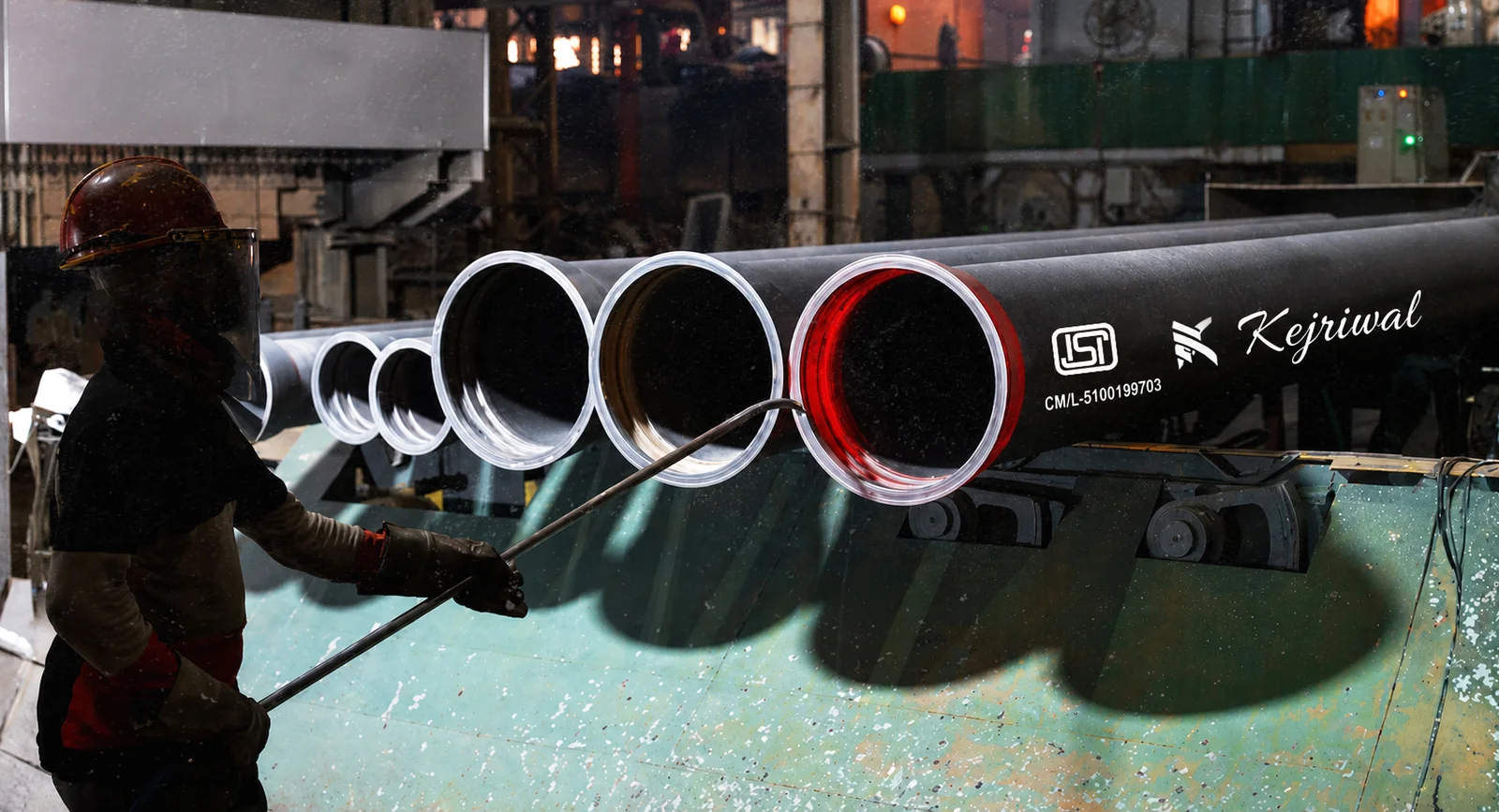
Surge analysis can help identify potential pressure fluctuations before they become a problem. Properly positioned air valves, suitable surge protection measures, and appropriate operating procedures can further reduce the risk of pipeline failure.
Protecting Against Corrosion
Although DI pipe provides excellent mechanical strength, corrosion protection should not be overlooked.
Soil characteristics, groundwater conditions, stray electrical currents, and the chemical properties of the transported water can influence corrosion risk. Engineers should assess these factors during the design stage and select suitable internal and external protection accordingly.
For projects with aggressive soil conditions, additional protection such as polyethylene sleeving or specialized coatings may be required to improve long-term durability.
“Understanding the surrounding environment is just as important as understanding the pipe. Proper corrosion assessment and protection can significantly extend the service life of a DI pipeline.”
Materials & Water Infrastructure Team
Technical Engineering Specialists
Built for Long-Term Pipeline Performance
DI pipe continues to be a dependable choice for water supply, wastewater, irrigation, and industrial pipeline systems because of its strength, durability, and long service life.
However, achieving reliable performance requires a complete engineering approach. Pipe class, diameter, jointing system, hydraulic conditions, corrosion risks, installation practices, and future operating requirements should all be considered during project planning.
When properly designed, protected, installed, and maintained, DI pipe can provide a safe and efficient pipeline solution for demanding infrastructure applications.
Get in Touch
Planning a water supply, wastewater, irrigation, or industrial pipeline project? Speak with our technical team about DI pipe selection, hydraulic requirements, corrosion protection, and installation considerations.
Contact us today to discuss your project requirements and find the right DI pipe solution for your application.